
Designing Comfortable and Ergonomic Spaces with Children’s Furniture
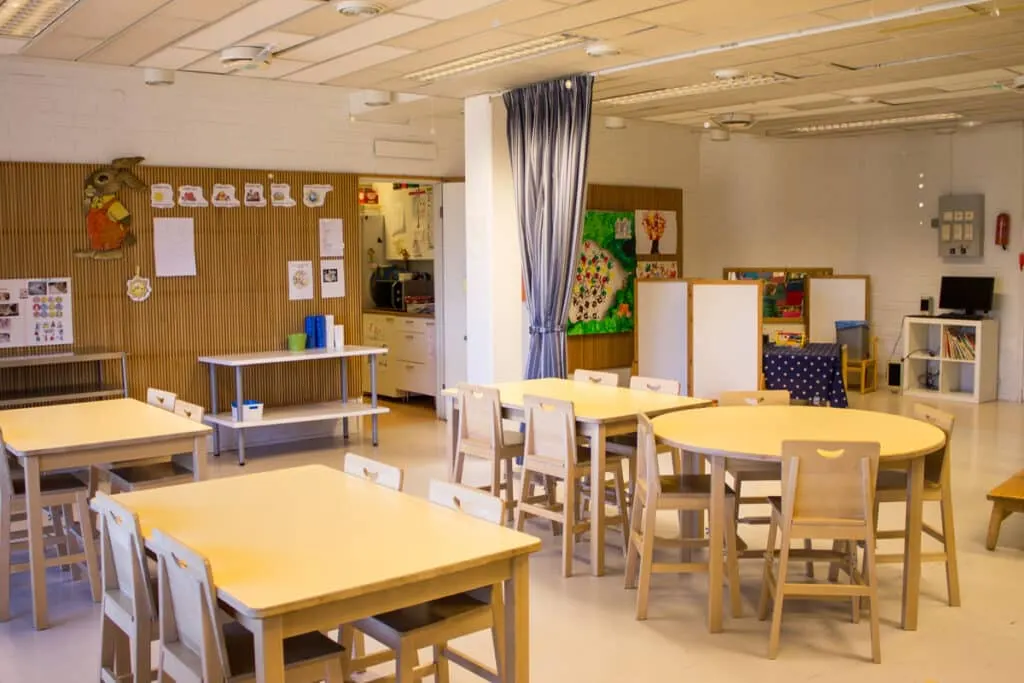
Creating comfortable and ergonomic spaces for children is essential for their well-being and development. In this blog post, we will explore the importance of designing with comfort and ergonomics in mind when it comes to children’s furniture. From considering proper posture and support to selecting age-appropriate designs, we will delve into the key factors that contribute to creating spaces that promote comfort, health, and optimal functionality. Join us as we discover the art of designing comfortable and ergonomic spaces with children’s furniture!
- Prioritizing Proper Posture: When designing children’s spaces, it’s crucial to prioritize proper posture. Choosing furniture that supports good posture helps prevent discomfort, fatigue, and potential long-term health issues. Look for chairs and desks with adjustable height options, back support, and ergonomic features that promote proper alignment of the spine. Ensuring that children maintain a correct sitting posture while studying, playing, or eating is vital for their overall well-being.
- Adjustable and Adaptable Designs: Children grow and change rapidly, and their furniture should adapt accordingly. Opt for adjustable and adaptable designs that can accommodate their changing needs. For instance, cribs that convert into toddler beds, adjustable-height tables, and chairs with removable accessories allow for easy customization as children progress through different stages. This flexibility ensures that furniture remains comfortable and suitable for children as they grow.
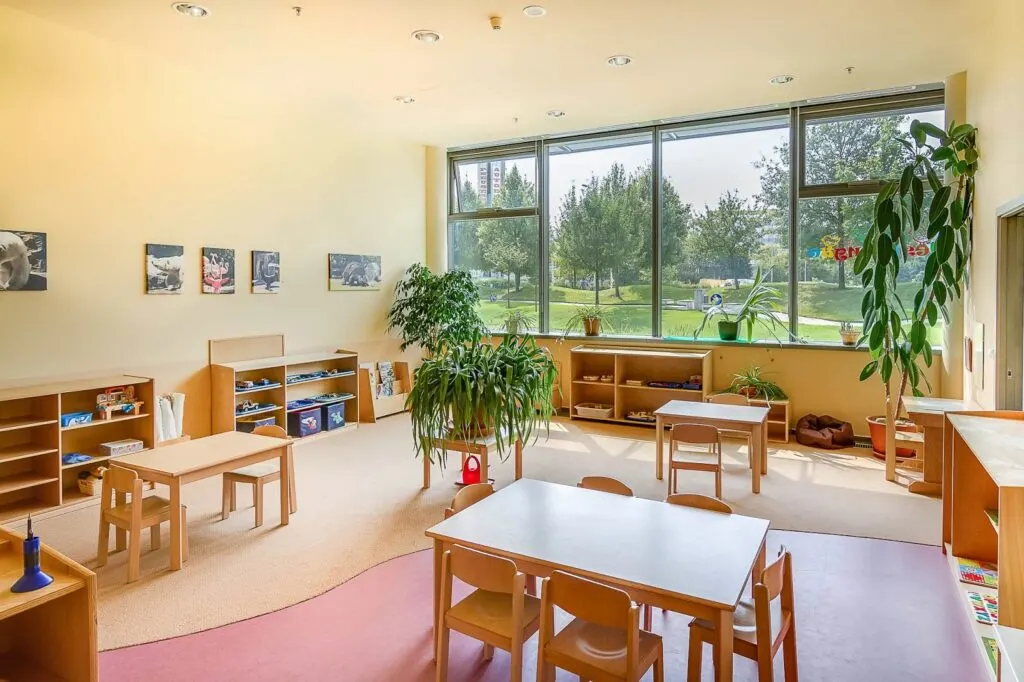
- Supportive and Comfortable Bedding: Quality sleep is crucial for a child’s growth and development. When selecting bedding, choose mattresses and pillows that provide adequate support and comfort. Look for options that are hypoallergenic, breathable, and made from high-quality materials. Consider factors such as firmness, temperature regulation, and proper spinal alignment to create a cozy and restful sleeping environment for children.
- Age-Appropriate Furniture: Children’s furniture should be age-appropriate to ensure optimal comfort and safety. For younger children, consider furniture with rounded edges to minimize the risk of injury. Select chairs and tables of appropriate heights to promote proper posture and reach. Additionally, consider the size and scale of furniture to provide a comfortable and proportionate space for children to navigate and interact with their surroundings.
- Incorporating Soft Seating and Cushions: Adding soft seating options and cushions to children’s spaces enhances comfort and encourages relaxation and creativity. Bean bags, floor pillows, and upholstered chairs provide cozy spots for reading, playing, or simply lounging. These soft seating elements offer support and comfort, allowing children to find their perfect spot for relaxation and imaginative play.
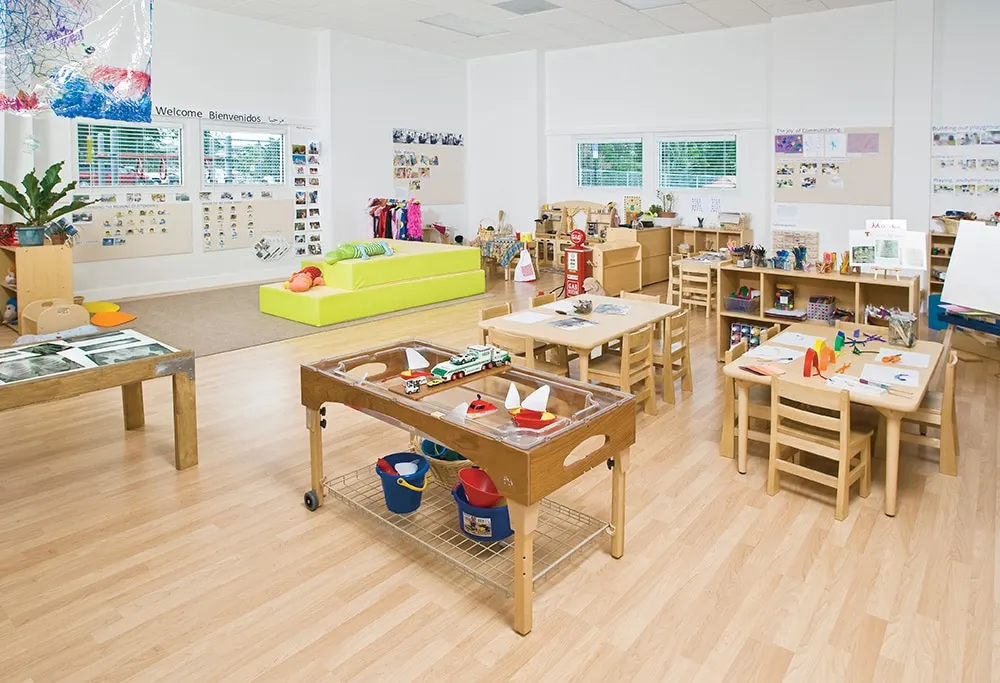
Designing comfortable and ergonomic spaces with children’s furniture is a thoughtful process that prioritizes the well-being and development of young ones. By considering proper posture, incorporating adjustable and adaptable designs, selecting supportive bedding, using age-appropriate furniture, and incorporating soft seating options, we can create spaces that promote comfort, health, and optimal functionality. Let’s embrace the art of designing comfortable and ergonomic spaces for children, providing them with the best environments to grow, learn, and thrive.

Hey, I’m Roger, the founder of Xiha Montessori, a family-run business. We specialize in preschool furniture and educational solutions.
Over the past 20 years, we have helped clients in 55 countries and 2000+ preschools, daycares, and early childcare centers create safe and inspiring learning environments.
This article shares knowledge on making education more effective and enjoyable for children.
Wooden Preschool Furniture Care Guide For Busy Classrooms
Read More »
How to Childproof a Daycare Classroom: A Practical Safety Checklist
Read More »
Daycare Cribs Buying Guide: How to Choose Safe, Practical Sleep Furniture
Read More »
Object Permanence: What Babies Learn and How Montessori Activities Support It
Read More »
Effective Preschool Classroom Rules: How to Create a Safe and Orderly Learning Environment
Read More »
How to Start a Daycare: A Practical Planning Guide
Read More » Roger Cai
Education Specialists
Hey, I’m the author of this post.
Over the past 20 years, we have helped 55 countries and 2000+ Clients, like Preschools, Daycare, and Early Childcare Centres, to create safe and inspiring learning environments.
If you need a purchase or consultation, please contact us for a free product catalog and classroom layout design.