
Designing a Reggio Emilia Classroom with Preschool Furniture
Are you curious about how to create a captivating learning environment that aligns with the principles of the renowned Reggio Emilia approach? Discover the art of designing a Reggio Emilia classroom with carefully selected preschool furniture that supports inquiry-based learning, creativity, and collaboration. Join us as we delve into the world of Reggio Emilia-inspired classroom design and explore how the right preschool furniture can bring this educational philosophy to life.
Designing a Reggio Emilia Classroom with Preschool Furniture is essential for creating an environment that promotes child-led exploration, imagination, and discovery. The intentional selection of furniture plays a significant role in facilitating the Reggio Emilia principles of collaboration, autonomy, and the documentation of children’s learning journeys.
What is the Reggio Emilia approach?
The Reggio Emilia approach is an educational philosophy that originated in the town of Reggio Emilia, Italy, after World War II. It emphasizes the importance of a child’s environment in their learning and development. The classroom is seen as a “third teacher,” alongside the teacher and the child themselves. This approach values collaboration, inquiry-based learning, and the use of natural materials.
Creating a Natural and Inviting Space
When designing a Reggio Emilia classroom, it is important to create a space that is natural and inviting. This means incorporating elements of the natural world, such as plants, natural light, and materials like wood and stone. The furniture should be child-sized and flexible, allowing for easy movement and exploration. Soft seating areas can encourage conversation and collaboration among the children.
The Role of Preschool Furniture
Preschool furniture plays a crucial role in creating a Reggio Emilia classroom. It should be child-friendly, safe, and aesthetically pleasing. Chairs and tables should be adjustable to accommodate the varying heights and needs of the children. The furniture should also be durable and easy to clean, as young children can be quite messy!
Flexibility and Mobility
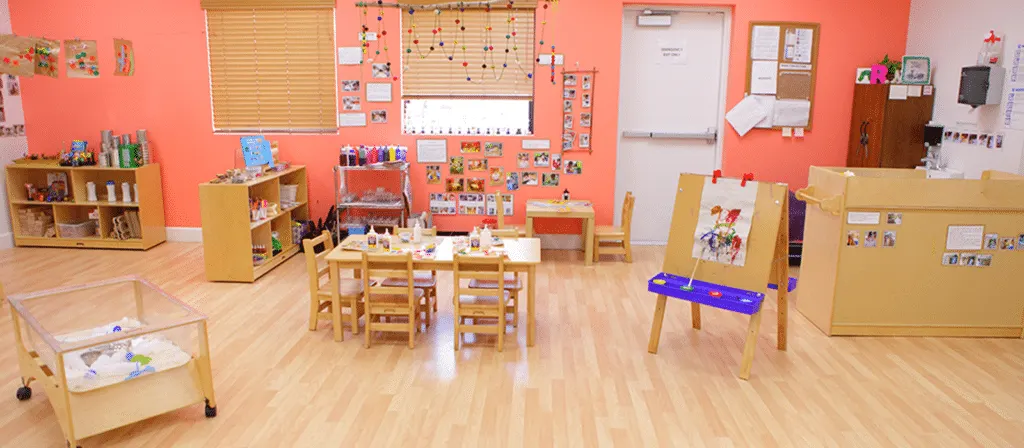
One of the key principles of the Reggio Emilia approach is flexibility. The classroom should be designed in a way that allows for easy rearrangement and transformation. Furniture on wheels, such as mobile bookshelves or storage units, can be easily moved to create different learning areas. This allows the children to take ownership of their space and encourages them to explore and experiment.
Incorporating Natural Materials
Natural materials are an essential component of a Reggio Emilia classroom. They stimulate the senses and provide endless possibilities for exploration and creativity. Natural materials can include wooden blocks, shells, feathers, and fabrics. These materials should be displayed in an organized and aesthetically pleasing way, inviting the children to engage with them.
Promoting Inquiry-based Learning
Inquiry-based learning is at the heart of the Reggio Emilia approach. The classroom should be designed in a way that encourages children to ask questions, make observations, and investigate their surroundings. Open-ended materials, such as loose parts and art supplies, allow for endless possibilities and promote critical thinking skills. The furniture should be arranged in a way that promotes collaboration and group work.
Creating Spaces for Documentation
Documentation is an important aspect of the Reggio Emilia approach. It involves capturing and showcasing the children’s learning journey through photographs, drawings, and written observations. Designated spaces for documentation should be incorporated into the classroom, such as bulletin boards or display shelves. This allows both the children and their families to reflect on and celebrate their progress.
Embracing Nature
The Reggio Emilia approach places a strong emphasis on the natural world. Outdoor spaces should be seen as an extension of the classroom, providing opportunities for exploration and connection with nature. Incorporating elements such as gardens, sandboxes, or water play areas can enhance the learning experience and foster a sense of wonder and curiosity.
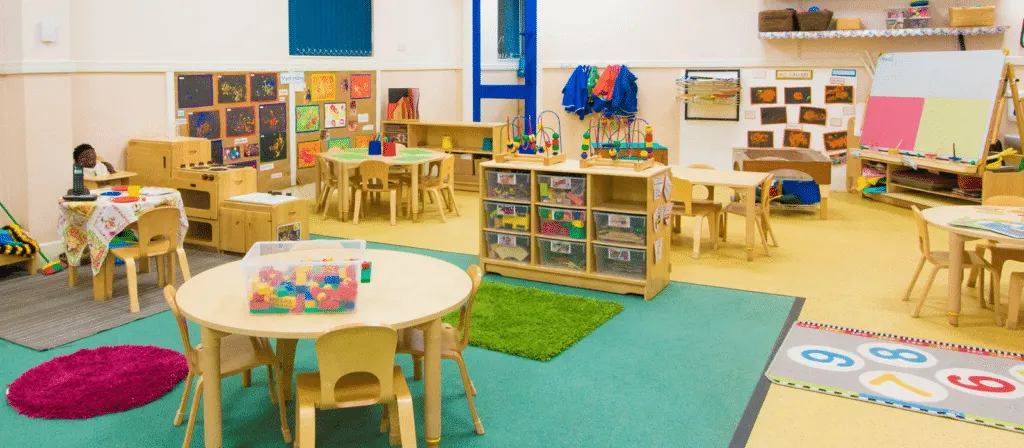
Designing a Reggio Emilia classroom with preschool furniture requires careful consideration of the principles and values of this educational approach. By creating a natural and inviting space, incorporating flexible and child-sized furniture, and embracing natural materials, we can provide an environment that supports the curiosity, creativity, and inquiry-based learning that is at the core of the Reggio Emilia approach. Let’s create classrooms that inspire and empower our young learners!

Hey, I’m Roger, the founder of Xiha Montessori, a family-run business. We specialize in preschool furniture and educational solutions.
Over the past 20 years, we have helped clients in 55 countries and 2000+ preschools, daycares, and early childcare centers create safe and inspiring learning environments.
This article shares knowledge on making education more effective and enjoyable for children.

Wooden Preschool Furniture Care Guide For Busy Classrooms
Read More »
How to Childproof a Daycare Classroom: A Practical Safety Checklist
Read More »
Daycare Cribs Buying Guide: How to Choose Safe, Practical Sleep Furniture
Read More »
Object Permanence: What Babies Learn and How Montessori Activities Support It
Read More »
Effective Preschool Classroom Rules: How to Create a Safe and Orderly Learning Environment
Read More »
How to Start a Daycare: A Practical Planning Guide
Read More » Roger Cai
Education Specialists
Hey, I’m the author of this post.
Over the past 20 years, we have helped 55 countries and 2000+ Clients, like Preschools, Daycare, and Early Childcare Centres, to create safe and inspiring learning environments.
If you need a purchase or consultation, please contact us for a free product catalog and classroom layout design.