
The Role of Sensory Furniture in Preschool Learning
As a leading provider of sensory furniture for preschools, I am constantly amazed by the impact that these innovative pieces of furniture have on early childhood education. Sensory furniture goes beyond traditional classroom furniture by incorporating elements that engage the senses, allowing children to learn and explore in a hands-on and interactive way.
Discover how sensory furniture transforms preschool learning by engaging children’s senses and promoting active exploration. Sensory furniture stimulates curiosity, encourages sensory integration, and facilitates the development of essential skills.
Did you know that children learn best when they are actively engaged in their environment?
Sensory furniture provides the perfect opportunity for children to do just that. By incorporating various textures, colors, and materials, these pieces of furniture stimulate the senses and encourage children to explore their surroundings. Whether it’s a chair with different textures or a table with interactive elements, sensory furniture creates a dynamic learning environment that promotes creativity and cognitive development.
But why is sensory furniture so important in preschool learning?
The answer lies in the fact that young children are naturally curious and learn best through hands-on experiences. Traditional classroom furniture often limits their ability to explore and engage with their environment. On the other hand, sensory furniture provides endless opportunities for children to touch, feel, and interact with the world around them.
By incorporating sensory furniture into preschool classrooms, we are not only creating a stimulating learning environment but also promoting the development of essential skills. Research has shown that sensory play helps children develop their motor skills, hand-eye coordination, and problem-solving abilities. It also enhances their ability to focus and concentrate, setting a strong foundation for future academic success.
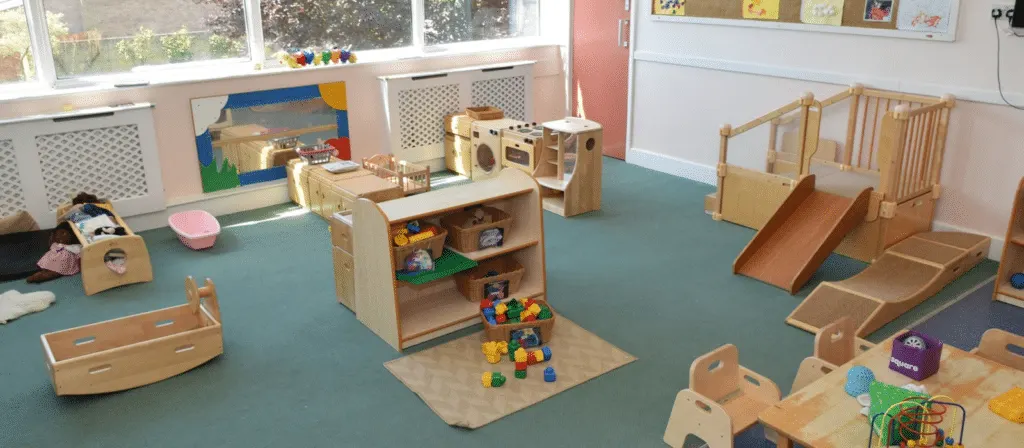
So how exactly does sensory furniture support preschool learning? Let’s take a closer look at some key benefits:
- Enhanced Sensory Integration:
Sensory furniture provides a variety of sensory experiences, such as different textures, sounds, and movements. This helps children develop their sensory integration skills, which are essential for processing and interpreting sensory information from the environment. - Improved Fine Motor Skills:
Many sensory furniture pieces are designed to promote fine motor skills development. From manipulating beads on a maze table to stacking blocks on a textured surface, these activities help children refine their hand-eye coordination and dexterity. - Promotion of Social Interaction:
Sensory furniture encourages collaborative play and social interaction among children. Whether it’s a sensory table where children can explore together or a group seating arrangement that fosters communication, these pieces of furniture create opportunities for children to learn from and with their peers. - Support for Special Needs:
Sensory furniture can be particularly beneficial for children with special needs. The tactile and interactive nature of these pieces can help children with sensory processing disorders, autism, or ADHD to regulate their sensory input and engage with their environment in a meaningful way. - Stimulation of Imaginative Play:
Sensory furniture sparks children’s creativity and imagination by providing them with open-ended opportunities for play. From a chair that transforms into a spaceship to a sensory wall that encourages storytelling, these pieces of furniture inspire children to think outside the box and engage in imaginative play.
Sensory furniture is a key element in creating engaging and enriching preschool learning environments. By incorporating sensory-rich experiences into the classroom, educators can promote sensory integration, support physical and cognitive development, and nurture children’s emotional well-being. Sensory furniture goes beyond aesthetics, providing opportunities for children to explore, discover, and make meaningful connections with their surroundings. Harness the power of sensory furniture in preschool learning, and witness the transformative impact it has on children’s growth, curiosity, and love for learning.

Hey, I’m Roger, the founder of Xiha Montessori, a family-run business. We specialize in preschool furniture and educational solutions.
Over the past 20 years, we have helped clients in 55 countries and 2000+ preschools, daycares, and early childcare centers create safe and inspiring learning environments.
This article shares knowledge on making education more effective and enjoyable for children.

Wooden Preschool Furniture Care Guide For Busy Classrooms
Read More »
How to Childproof a Daycare Classroom: A Practical Safety Checklist
Read More »
Daycare Cribs Buying Guide: How to Choose Safe, Practical Sleep Furniture
Read More »
Object Permanence: What Babies Learn and How Montessori Activities Support It
Read More »
Effective Preschool Classroom Rules: How to Create a Safe and Orderly Learning Environment
Read More »
How to Start a Daycare: A Practical Planning Guide
Read More » Roger Cai
Education Specialists
Hey, I’m the author of this post.
Over the past 20 years, we have helped 55 countries and 2000+ Clients, like Preschools, Daycare, and Early Childcare Centres, to create safe and inspiring learning environments.
If you need a purchase or consultation, please contact us for a free product catalog and classroom layout design.