
Is Montessori better than traditional?
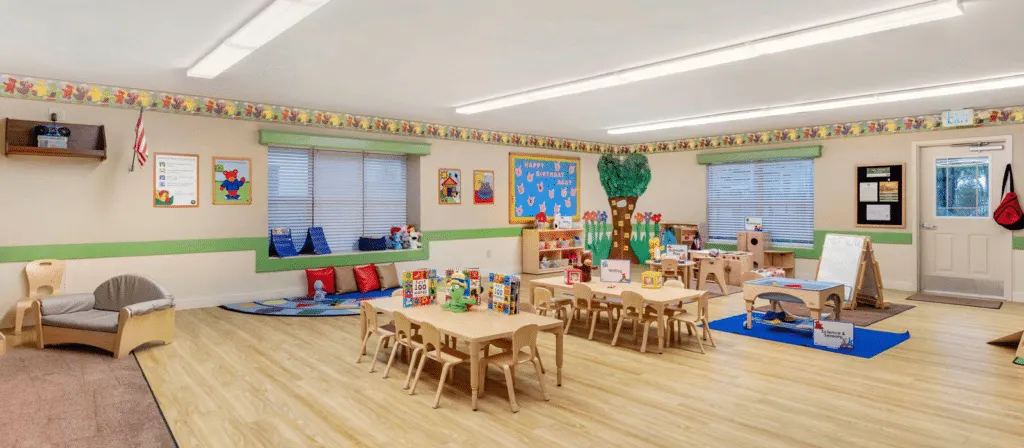
Are you torn between Montessori and traditional education for your child? Join us as we navigate the complexities of educational approaches and delve into the unique advantages that Montessori education offers. Discover whether Montessori truly surpasses traditional methods in nurturing children’s development and fostering lifelong success.
While both Montessori and traditional education have their merits, Montessori stands out for its child-centered approach, individualized learning experiences, and emphasis on holistic development. By empowering children to take an active role in their education, Montessori creates a dynamic and engaging learning environment that fosters independence, critical thinking, and a lifelong love for learning.
What is Montessori Education?
Montessori education is an approach developed by Dr. Maria Montessori that emphasizes independence, freedom within limits, and respect for a child’s natural development. It focuses on fostering a love for learning and creating an environment that promotes exploration and hands-on experiences.
The Individualized Approach
One of the key advantages of Montessori education is its individualized approach to learning. In a traditional classroom setting, students are often taught the same material at the same pace, regardless of their individual needs and abilities. This can lead to boredom for advanced learners or frustration for those who need extra support.
In a Montessori classroom, however, the curriculum is tailored to each child’s unique strengths, interests, and learning style. This allows for a truly personalized learning experience, where students can thrive and reach their full potential.
Hands-On Learning
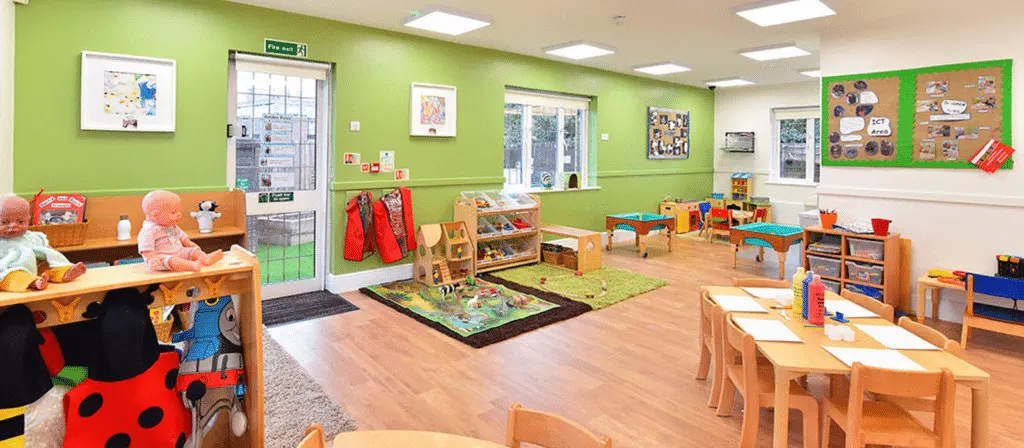
Another hallmark of Montessori education is its emphasis on hands-on learning. Instead of relying solely on textbooks and lectures, Montessori classrooms provide a wide range of materials and activities that engage the senses and promote active learning.
Through hands-on exploration, children develop a deeper understanding of concepts and acquire practical skills that they can apply in real-life situations. This approach not only enhances their academic abilities but also nurtures their creativity, problem-solving skills, and critical thinking abilities.
Self-Directed Learning
In a traditional classroom, the teacher is typically the central authority figure, imparting knowledge to the students. In contrast, Montessori education empowers children to take ownership of their learning journey.
Within the structure provided by the Montessori curriculum, students have the freedom to choose their activities and work at their own pace. This fosters a sense of independence, self-discipline, and self-motivation. By allowing children to follow their interests and passions, Montessori education encourages a lifelong love for learning.
Social and Emotional Development
Education is not just about academics; it also plays a crucial role in shaping a child’s social and emotional development. Montessori education recognizes this and provides a nurturing environment that promotes collaboration, empathy, and respect for others.
In a Montessori classroom, students of different ages work together in multi-age groups. This creates a sense of community and encourages older students to mentor and guide their younger peers. Through these interactions, children learn important social skills, such as communication, cooperation, and problem-solving, which are essential for success in the real world.
Is Montessori Education for Everyone?
While Montessori education has numerous advantages, it may not be the best fit for every child or family. It’s important to consider your child’s unique needs, learning style, and personality when making the decision.
For some children, the structure and discipline of a traditional classroom setting may provide the necessary framework for their success. Additionally, some parents may prefer a more structured approach to education that aligns with their own beliefs and values.
Ultimately, the choice between Montessori and traditional education should be based on what works best for your child and family. It’s important to research and visit different schools, talk to educators, and consider your child’s individual needs before making a decision.
Conclusion:
While the question of whether Montessori is better than traditional education may not have a definitive answer, it’s crucial to consider the unique advantages Montessori offers in cultivating independent, motivated, and well-rounded learners. By embracing the child’s natural curiosity and tailoring educational experiences to their individual needs, Montessori education empowers children to become confident, lifelong learners capable of thriving in an ever-evolving world. Ultimately, the choice between Montessori and traditional education depends on your child’s unique characteristics and your educational goals, so consider the distinct benefits each approach offers before making an informed decision.

Hey, I’m Roger, the founder of Xiha Montessori, a family-run business. We specialize in preschool furniture and educational solutions.
Over the past 20 years, we have helped clients in 55 countries and 2000+ preschools, daycares, and early childcare centers create safe and inspiring learning environments.
This article shares knowledge on making education more effective and enjoyable for children.

Wooden Preschool Furniture Care Guide For Busy Classrooms
Read More »
How to Childproof a Daycare Classroom: A Practical Safety Checklist
Read More »
Daycare Cribs Buying Guide: How to Choose Safe, Practical Sleep Furniture
Read More »
Object Permanence: What Babies Learn and How Montessori Activities Support It
Read More »
Effective Preschool Classroom Rules: How to Create a Safe and Orderly Learning Environment
Read More »
How to Start a Daycare: A Practical Planning Guide
Read More » Roger Cai
Education Specialists
Hey, I’m the author of this post.
Over the past 20 years, we have helped 55 countries and 2000+ Clients, like Preschools, Daycare, and Early Childcare Centres, to create safe and inspiring learning environments.
If you need a purchase or consultation, please contact us for a free product catalog and classroom layout design.