
What is the main purpose of Montessori?
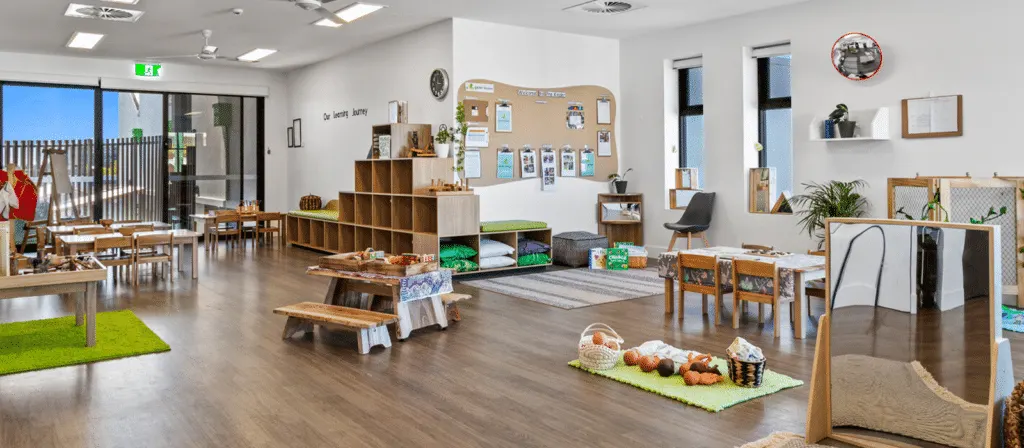
Have you ever wondered about the true purpose behind Montessori education? Join us as we embark on a journey to unravel the core essence and primary objectives of the Montessori approach, revealing its profound impact on children’s holistic development.
The main purpose of Montessori education is to foster the natural development of each child and cultivate their innate love for learning. Through a child-centered approach, Montessori aims to nurture independent thinkers, compassionate individuals, and lifelong learners who possess a deep sense of self-confidence, social responsibility, and academic excellence.
First and foremost, Montessori education aims to foster the holistic development of children. It goes beyond academics and focuses on nurturing the child’s physical, emotional, social, and cognitive growth. The Montessori method, developed by Dr. Maria Montessori, is designed to create an environment that allows children to explore and learn at their own pace, based on their individual interests and abilities.
The main purpose of Montessori is to cultivate a love for learning in children. It encourages them to become curious, independent, and self-motivated learners. In a Montessori classroom, children have the freedom to choose their own activities and work on them for extended periods of time. This fosters a sense of responsibility and ownership over their own education.
One of the key principles of Montessori is the belief in the innate potential of every child. The Montessori method recognizes that children are naturally curious and have a strong desire to learn. By providing them with an environment that supports their natural development, Montessori education aims to unlock their full potential and help them become confident and capable individuals.
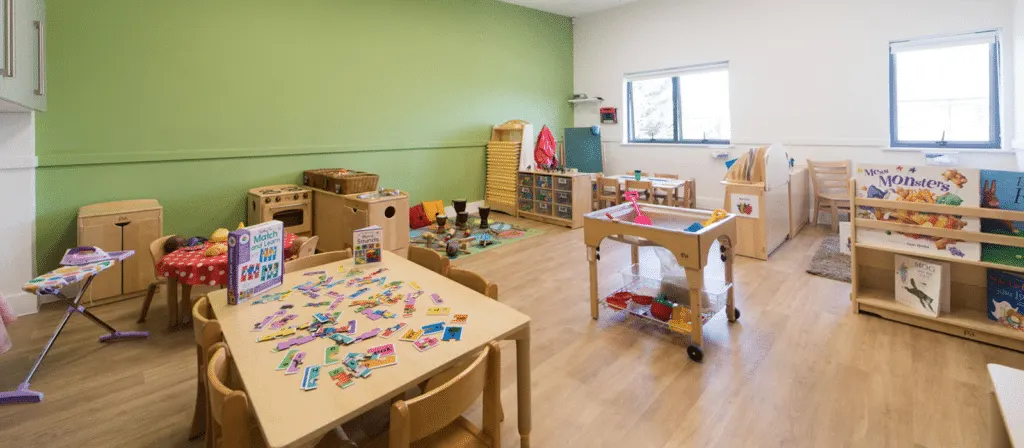
Another important aspect of Montessori education is the emphasis on hands-on, experiential learning. Children are encouraged to use all their senses to explore and interact with the environment. They engage in activities that promote the development of their fine and gross motor skills, as well as their cognitive abilities. This approach not only enhances their academic performance but also fosters their creativity and problem-solving skills.
Montessori education also places a strong emphasis on the development of social skills and emotional intelligence. In a Montessori classroom, children of different ages work together in a mixed-age setting. This allows younger children to learn from their older peers and older children to develop leadership skills. It also promotes a sense of community and cooperation among the children.
Furthermore, Montessori education aims to instill a sense of respect and responsibility towards oneself, others, and the environment. Children are taught to care for their classroom materials and to clean up after themselves. They also learn to respect the work and the space of their peers. This fosters a sense of empathy, kindness, and environmental consciousness from an early age.
In conclusion, the main purpose of Montessori education is to provide a nurturing and stimulating environment that supports the holistic development of children. It aims to cultivate a love for learning, foster independence and self-motivation, develop social and emotional skills, and promote respect and responsibility. Montessori education recognizes and celebrates the uniqueness of each child, allowing them to reach their full potential and become lifelong learners.

Hey, I’m Roger, the founder of Xiha Montessori, a family-run business. We specialize in preschool furniture and educational solutions.
Over the past 20 years, we have helped clients in 55 countries and 2000+ preschools, daycares, and early childcare centers create safe and inspiring learning environments.
This article shares knowledge on making education more effective and enjoyable for children.
Wooden Preschool Furniture Care Guide For Busy Classrooms
Read More »
How to Childproof a Daycare Classroom: A Practical Safety Checklist
Read More »
Daycare Cribs Buying Guide: How to Choose Safe, Practical Sleep Furniture
Read More »
Object Permanence: What Babies Learn and How Montessori Activities Support It
Read More »
Effective Preschool Classroom Rules: How to Create a Safe and Orderly Learning Environment
Read More »
How to Start a Daycare: A Practical Planning Guide
Read More » Roger Cai
Education Specialists
Hey, I’m the author of this post.
Over the past 20 years, we have helped 55 countries and 2000+ Clients, like Preschools, Daycare, and Early Childcare Centres, to create safe and inspiring learning environments.
If you need a purchase or consultation, please contact us for a free product catalog and classroom layout design.