
Selecting Materials for Daycare Furniture: Wood vs. Plastic vs. Metal
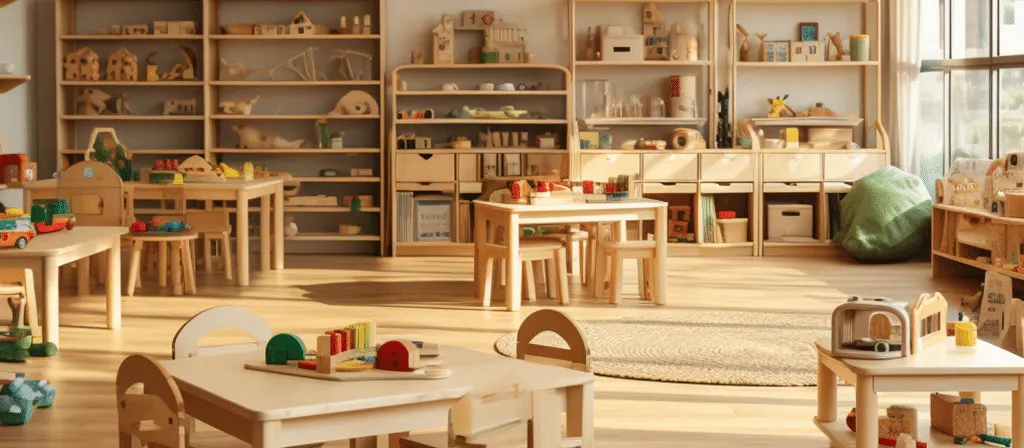
Are you struggling to choose suitable materials for your daycare furniture? Let’s explore the pros and cons of wood, plastic, and metal and determine which material suits your needs best. Delve best into the intricacies of each material and make an informed decision for your daycare furniture selection.
Selecting Materials for Daycare Furniture: Wood provides a natural, durable, and aesthetically pleasing option, while plastic offers easy maintenance and a lightweight design. On the other hand, metal provides robustness and a modern look, each catering to specific daycare requirements.

Wood: Natural Charm and Warmth
Wooden furniture has a timeless appeal and adds a touch of natural charm to any daycare setting. It exudes warmth and creates a cozy environment that children can feel comfortable in. Wood is a sturdy material, capable of withstanding the wear and tear of daily use. It also offers excellent structural integrity, making it suitable for heavy-use items such as tables and chairs.
One of the advantages of wood is its durability. It is less likely to crack or break compared to plastic or metal furniture. Wood furniture also ages gracefully, developing a patina that adds character over time. However, wood requires regular maintenance, including polishing and refinishing, to keep it in optimal condition. It is also more susceptible to scratches and stains, which may require additional care.
Plastic: Versatility and Easy Maintenance
Plastic furniture offers a wide range of benefits for daycare settings. It is lightweight, making it easy to move and rearrange as needed. Plastic is also highly versatile, available in various colors and designs to match any aesthetic preference. Moreover, plastic furniture is easy to clean and maintain, requiring minimal effort to wipe away spills and messes.
Another advantage of plastic furniture is its affordability. Plastic materials are generally less expensive compared to wood or metal, making it a cost-effective option for daycare centers with limited budgets. However, plastic furniture may not be as durable as wood or metal. It is prone to cracking and can fade or become brittle over time with prolonged exposure to sunlight or extreme temperature changes.

Metal: Strength and Durability
Metal furniture offers exceptional strength and durability, making it ideal for high-traffic daycare areas. It can withstand heavy use and is less prone to damage compared to wood or plastic alternatives. Metal furniture is also highly resistant to stains, scratches, and moisture, which is essential in a daycare setting where spills and accidents are common.
Additionally, metal furniture is relatively low maintenance. It does not require regular refinishing or polishing like wood and can be easily cleaned with a damp cloth. Metal furniture is also stackable, allowing for easy storage when not in use. However, metal furniture may not be as comfortable as wood or plastic, especially for younger children who may need additional padding or cushioning.
Which Material Should You Choose?
Ultimately, the choice of material for your daycare furniture depends on your specific needs and preferences. If you prioritize a natural and timeless aesthetic, along with durability, wood may be the best choice for you. On the other hand, if budget-friendliness and easy maintenance are your primary concerns, plastic furniture can meet your requirements. If you’re looking for a modern and durable option, metal furniture may be the way to go.
Consider factors such as your budget, the age range of the children, the overall design of your daycare center, and your personal style preferences. It may also be helpful to involve your staff and get their input on the material that would best suit their needs and the needs of the children. By carefully considering these factors, you can select the right material for your daycare furniture that will create a safe, comfortable, and aesthetically pleasing environment for the children in your care.

Conclusion
In conclusion, when it comes to selecting materials for daycare furniture, there is no one-size-fits-all solution. Wood, plastic, and metal each have their own unique advantages and disadvantages. Wood offers a natural and timeless appeal, plastic is affordable and easy to maintain, and metal provides durability and a modern aesthetic. By considering your specific needs and preferences, you can make an informed decision that best suits your daycare center. Remember, the furniture you choose plays a vital role in creating a welcoming and functional space for children to learn and play. So, choose wisely and create a nurturing environment that will leave a lasting impression on both children and parents alike.

Hey, I’m Roger, the founder of Xiha Montessori, a family-run business. We specialize in preschool furniture and educational solutions.
Over the past 20 years, we have helped clients in 55 countries and 2000+ preschools, daycares, and early childcare centers create safe and inspiring learning environments.
This article shares knowledge on making education more effective and enjoyable for children.

Wooden Preschool Furniture Care Guide For Busy Classrooms
Read More »
How to Childproof a Daycare Classroom: A Practical Safety Checklist
Read More »
Daycare Cribs Buying Guide: How to Choose Safe, Practical Sleep Furniture
Read More »
Object Permanence: What Babies Learn and How Montessori Activities Support It
Read More »
Effective Preschool Classroom Rules: How to Create a Safe and Orderly Learning Environment
Read More »
How to Start a Daycare: A Practical Planning Guide
Read More » Roger Cai
Education Specialists
Hey, I’m the author of this post.
Over the past 20 years, we have helped 55 countries and 2000+ Clients, like Preschools, Daycare, and Early Childcare Centres, to create safe and inspiring learning environments.
If you need a purchase or consultation, please contact us for a free product catalog and classroom layout design.