
The Role of Daycare Tables and Chairs in Socialization
Have you ever wondered about the impact of something as simple as daycare tables and chairs on a child’s social development? These pieces of furniture, often overlooked, play a vital role in shaping a child’s early interactions and socialization. In this article, we will explore how daycare tables and chairs are essential elements in the social development of young children.
The Role of Daycare Tables and Chairs in Socialization: These furnishings are more than just places to sit and eat; they are crucial tools that facilitate social interactions and learning within a daycare setting.
Why are daycare tables and chairs important for socialization?
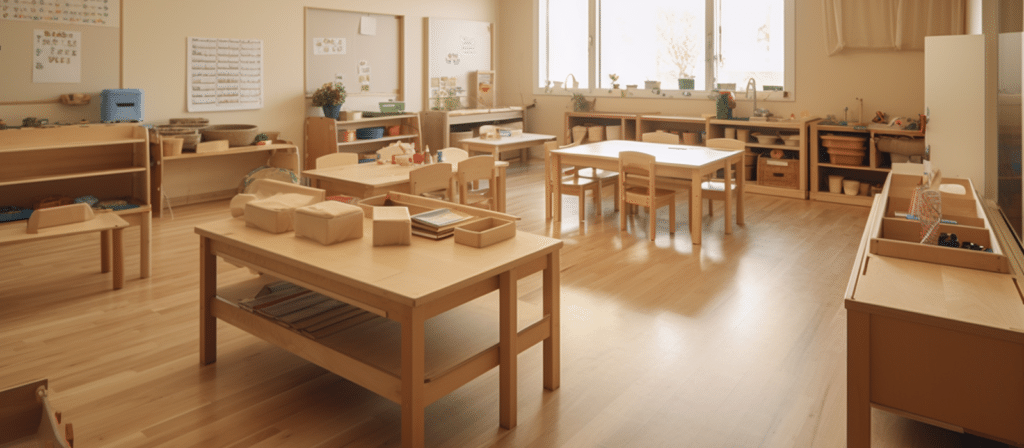
Daycare tables and chairs serve as the foundation for social interactions in a daycare setting. These pieces of furniture provide children with a designated space to gather, play, learn, and socialize. By having their own individual spaces, children feel a sense of ownership and belonging, which encourages them to engage with their peers. The size and design of daycare tables and chairs are also important factors to consider. Furniture that is appropriately sized for children promotes inclusivity and allows them to comfortably interact with one another.
Do daycare tables and chairs promote communication?
Absolutely! Daycare tables and chairs are designed to facilitate communication among children. When sitting around a table, children are encouraged to engage in conversations, share ideas, and express their thoughts. This promotes language development and enhances communication skills. It also helps children learn the importance of listening, taking turns, and respecting others’ opinions. By providing a space where children can freely communicate and express themselves, daycare tables and chairs lay the foundation for effective communication skills that will benefit them throughout their lives.
How do daycare tables and chairs encourage collaboration?
Collaboration is a vital skill that children need to develop from an early age. Daycare tables and chairs are instrumental in promoting collaboration among children. When working together on activities or projects, children learn to share responsibilities, delegate tasks, and work towards a common goal. The design of daycare tables and chairs can further enhance collaboration. Round tables, for example, encourage equal participation and collaboration as there are no designated “head” or “end” positions. By providing a conducive environment for collaboration, daycare tables and chairs foster teamwork and teach children the value of working together.
Do daycare tables and chairs contribute to the development of social skills?
Absolutely! Daycare tables and chairs play a significant role in the development of social skills. Interacting with peers in a structured environment helps children learn important social cues, such as taking turns, sharing, and respecting personal space. Through group activities and conversations facilitated by daycare tables and chairs, children develop empathy, cooperation, and problem-solving skills. These social skills are crucial for building strong relationships, both in childhood and later in life. By providing a space that encourages social interaction, daycare tables and chairs contribute to the overall social development of children.
How do daycare tables and chairs impact socialization in different age groups?
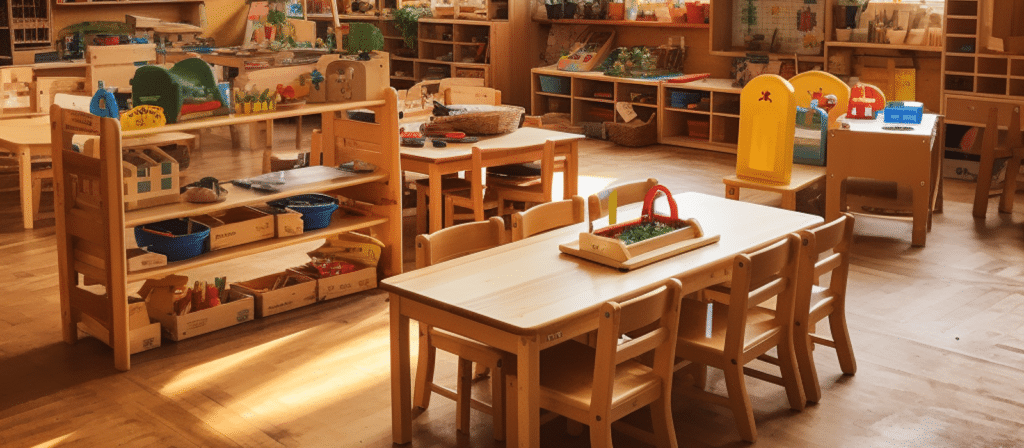
The role of daycare tables and chairs in socialization varies across different age groups. For infants and toddlers, tables and chairs that are sturdy and safe are crucial. They provide a space for supervised play and encourage children to explore and interact with their environment. At this stage, interactions may be more focused on individual exploration rather than group play. However, having a designated space for each child helps them develop a sense of personal space and respect for others’ boundaries.
As children progress to preschool and kindergarten, daycare tables and chairs become platforms for group activities and collaborative learning. Round tables, for example, promote inclusivity and equal participation, as there are no designated “heads” or “leaders” of the table. This encourages children to take turns, share resources, and work together towards a common goal. By providing a space for group discussions, art projects, and shared meals, daycare tables and chairs facilitate socialization and the development of essential social skills.
Can daycare furniture facilitate socialization among children with special needs?
Absolutely! Inclusive daycare furniture is essential in creating an environment that caters to the diverse needs of all children, including those with special needs. Adjustable tables and chairs, for instance, can accommodate children of varying heights and physical abilities, ensuring that everyone can comfortably participate in activities and engage with their peers. By investing in inclusive daycare furniture, we send a strong message of acceptance and support, fostering a sense of belonging and social integration among all children.
Conclusion
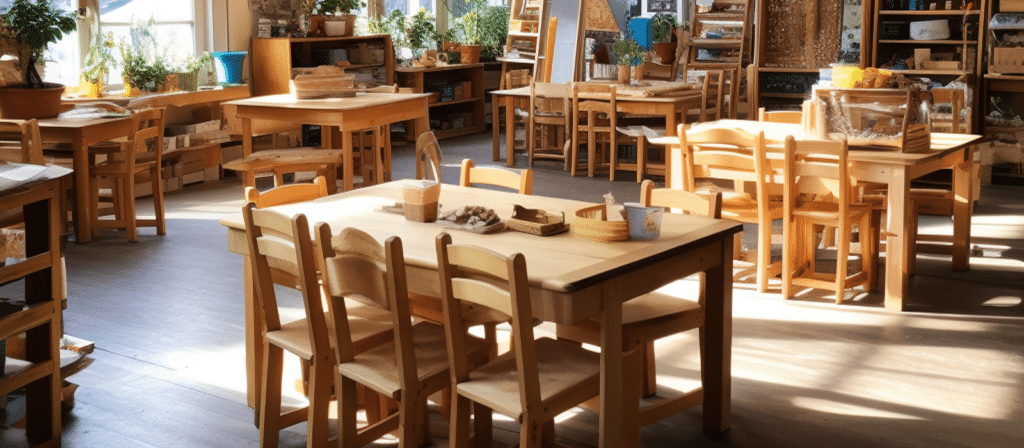
Daycare tables and chairs may seem like simple pieces of furniture, but their impact on socialization in childcare settings cannot be underestimated. From promoting collaboration and communication to facilitating the development of fine motor skills, these essential pieces of furniture play a crucial role in creating an environment that supports the social and emotional growth of young children. By choosing daycare tables and chairs that are comfortable, inclusive, and age-appropriate, we can create spaces that encourage social interactions, foster friendships, and lay the foundation for lifelong social skills.

Hey, I’m Roger, the founder of Xiha Montessori, a family-run business. We specialize in preschool furniture and educational solutions.
Over the past 20 years, we have helped clients in 55 countries and 2000+ preschools, daycares, and early childcare centers create safe and inspiring learning environments.
This article shares knowledge on making education more effective and enjoyable for children.

Wooden Preschool Furniture Care Guide For Busy Classrooms
Read More »
How to Childproof a Daycare Classroom: A Practical Safety Checklist
Read More »
Daycare Cribs Buying Guide: How to Choose Safe, Practical Sleep Furniture
Read More »
Object Permanence: What Babies Learn and How Montessori Activities Support It
Read More »
Effective Preschool Classroom Rules: How to Create a Safe and Orderly Learning Environment
Read More »
How to Start a Daycare: A Practical Planning Guide
Read More » Roger Cai
Education Specialists
Hey, I’m the author of this post.
Over the past 20 years, we have helped 55 countries and 2000+ Clients, like Preschools, Daycare, and Early Childcare Centres, to create safe and inspiring learning environments.
If you need a purchase or consultation, please contact us for a free product catalog and classroom layout design.