
What Are the Advantages of Sensory-Friendly Furniture in Preschools?

Why is sensory-friendly furniture becoming a buzzword in preschool design? And, more importantly, what benefits does it offer young learners and educators? This article will explore the advantages of incorporating sensory-friendly furniture into preschool environments, providing a comfortable and stimulating space for children’s development.
Sensory Friendly Furniture: A Game Changer for Preschools
Preschools are vibrant and energetic places, filled with curious minds and active bodies. However, for children with sensory processing issues, the typical preschool environment can be overwhelming. Bright lights, loud noises, and uncomfortable seating can create barriers to learning and participation. That’s where sensory friendly furniture comes in.
Sensory friendly furniture is designed to address the sensory needs of children, providing them with a safe and comfortable space to learn and play. These furniture pieces are made with soft, tactile materials, such as foam and fabric, that are gentle on sensitive skin. They also feature ergonomic designs that promote proper posture and support, reducing the risk of discomfort and fatigue.
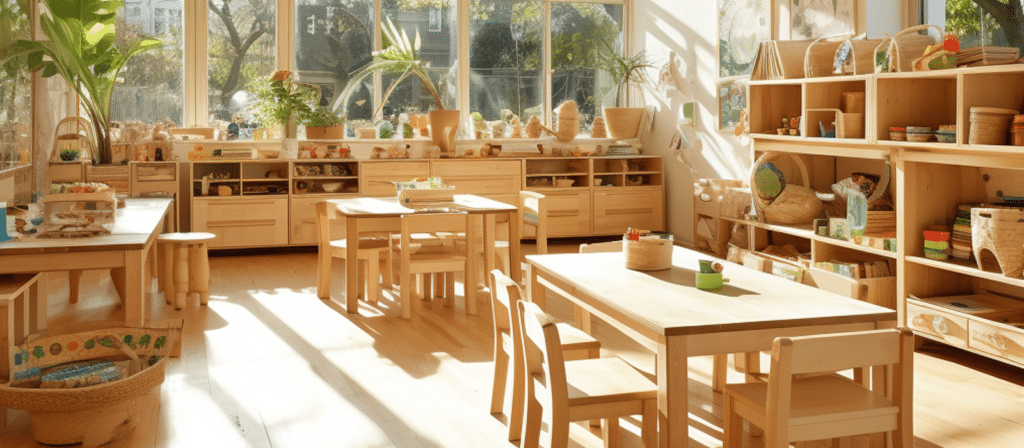
Benefits of Sensory Friendly Furniture in Preschools
- Improved Focus and Attention: Sensory friendly furniture helps children stay focused and engaged in activities. The comfortable seating and supportive designs allow children to concentrate on learning without distractions. This can lead to improved attention span and better academic performance.
- Reduced Sensory Overload: Preschools can be overwhelming for children with sensory processing issues due to excessive noise, bright lights, and crowded spaces. Sensory friendly furniture creates a calming environment, reducing sensory overload and promoting a sense of security and well-being.
- Enhanced Social Interaction: By providing a comfortable and inclusive space, sensory friendly furniture encourages social interaction among children. It creates a sense of belonging and acceptance, fostering friendships and collaboration.
- Increased Independence: Sensory friendly furniture is designed to be accessible and easy to use for children of all abilities. It empowers children to independently navigate their learning environment, boosting their self-confidence and autonomy.
- Promotes Sensory Regulation: Sensory friendly furniture provides children with opportunities for sensory input and regulation. The soft textures and gentle movements of these furniture pieces can help calm anxious children or stimulate those who need additional sensory input.
How Sensory Friendly Furniture Supports Learning
In addition to the benefits mentioned above, sensory friendly furniture also plays a crucial role in supporting various aspects of learning in preschools. Here’s how:
- Language and Communication Development: Comfortable seating and a calm environment created by sensory friendly furniture allow children to focus on language and communication activities. This facilitates language development and improves communication skills.
- Fine Motor Skills: Sensory friendly furniture provides children with opportunities to engage in fine motor activities, such as drawing, coloring, and manipulating objects. The supportive designs of these furniture pieces promote proper posture and positioning, enabling children to develop and refine their fine motor skills.
- Sensory Exploration: Sensory friendly furniture encourages sensory exploration and discovery. The soft textures and inviting designs of these furniture pieces invite children to touch, feel, and engage with their environment, promoting sensory integration and cognitive development.
- Emotional Regulation: The calming effect of sensory friendly furniture helps children regulate their emotions, creating a conducive environment for emotional growth and self-regulation. This, in turn, supports their overall well-being and social-emotional development.
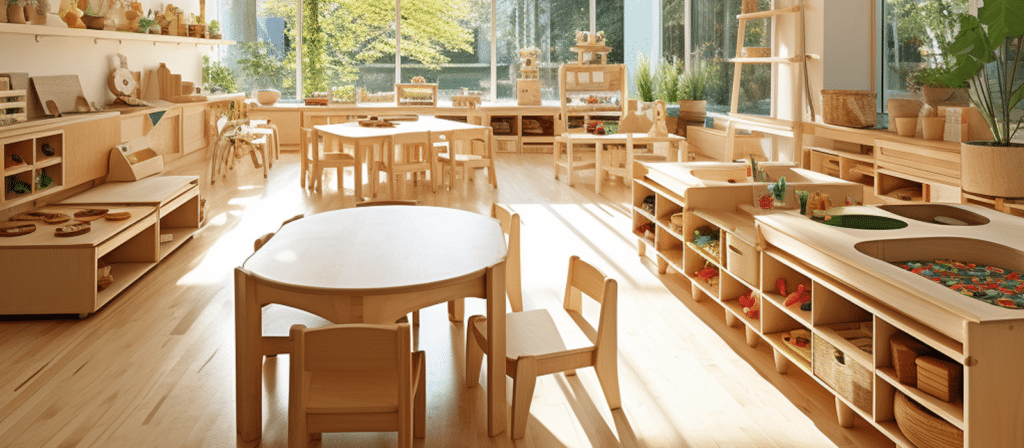
Conclusion
Incorporating sensory friendly furniture into preschools provides numerous advantages for both children with sensory processing issues and their typically developing peers. It creates a more inclusive and supportive learning environment, promoting focus, social interaction, and independence. Sensory friendly furniture also supports various aspects of learning, including language development, fine motor skills, sensory exploration, and emotional regulation. As we continue to prioritize inclusivity and diversity in education, investing in sensory friendly furniture is a step in the right direction.
Remember, when it comes to preschool furniture, it’s not just about functionality and aesthetics; it’s about creating an environment that caters to the unique needs of every child. So, let’s make sure every child has a seat at the table, or better yet, a sensory friendly chair to call their own!

Hey, I’m Roger, the founder of Xiha Montessori, a family-run business. We specialize in preschool furniture and educational solutions.
Over the past 20 years, we have helped clients in 55 countries and 2000+ preschools, daycares, and early childcare centers create safe and inspiring learning environments.
This article shares knowledge on making education more effective and enjoyable for children.
Wooden Preschool Furniture Care Guide For Busy Classrooms
Read More »
How to Childproof a Daycare Classroom: A Practical Safety Checklist
Read More »
Daycare Cribs Buying Guide: How to Choose Safe, Practical Sleep Furniture
Read More »
Object Permanence: What Babies Learn and How Montessori Activities Support It
Read More »
Effective Preschool Classroom Rules: How to Create a Safe and Orderly Learning Environment
Read More »
How to Start a Daycare: A Practical Planning Guide
Read More » Roger Cai
Education Specialists
Hey, I’m the author of this post.
Over the past 20 years, we have helped 55 countries and 2000+ Clients, like Preschools, Daycare, and Early Childcare Centres, to create safe and inspiring learning environments.
If you need a purchase or consultation, please contact us for a free product catalog and classroom layout design.