
What Are the Benefits of Flexible Seating in Preschool?

Have you ever wondered about the advantages of incorporating flexible seating in preschool classrooms? We’ll explore this innovative approach and its numerous benefits for young learners. From improved focus to enhanced social skills, flexible seating has transformed the way we think about early childhood education.
Flexible seating fosters engagement, collaboration, and a more dynamic learning experience. It allows children to choose where and how they sit, promoting better concentration, independence, and a sense of responsibility.
Flexible seating refers to a classroom setup that goes beyond traditional desks and chairs, offering children a variety of seating options such as bean bags, wobble stools, floor cushions, and even standing desks. This approach recognizes that children have different learning styles and preferences, and aims to create an environment that caters to their individual needs.
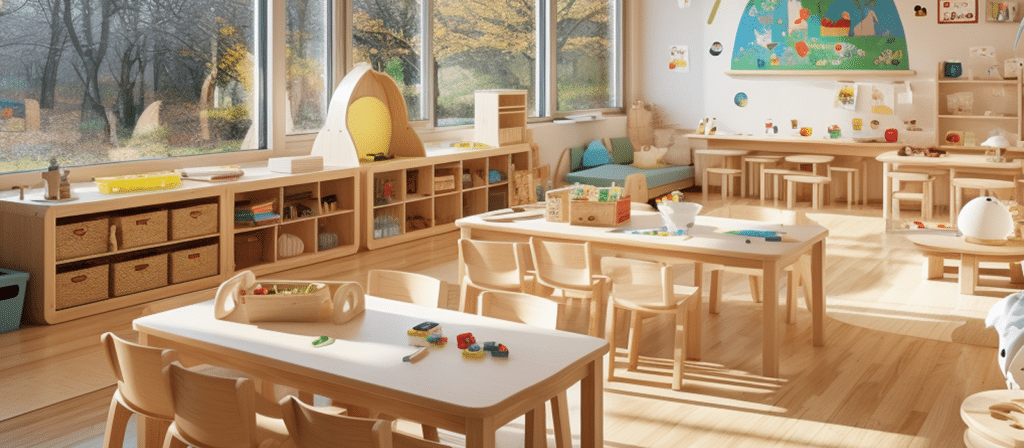
What are the benefits of flexible seating in preschool?
- Improved Focus and Engagement: One of the key benefits of flexible seating is that it promotes better focus and engagement among preschoolers. When children are given the freedom to choose where they sit, they feel more empowered and motivated to participate in activities. This sense of ownership over their learning environment can lead to increased attentiveness and active engagement in lessons.
- Enhanced Collaboration and Social Skills: Flexible seating arrangements encourage collaboration and social interaction among preschoolers. By creating a more open and inviting environment, children are more likely to engage in group discussions, share ideas, and work together on projects. This fosters the development of important social skills, such as communication, cooperation, and empathy.
- Improved Posture and Physical Health: Traditional desks and chairs can often lead to poor posture and sedentary behavior in young children. Flexible seating options, on the other hand, promote better posture and allow for more movement throughout the day. Wobble stools, for example, encourage active sitting, which helps strengthen core muscles and improve overall physical health.
- Increased Creativity and Problem-Solving Skills: Flexible seating arrangements provide preschoolers with a more stimulating and creative learning environment. When children have the freedom to choose where and how they sit, they are more likely to explore different positions and engage in imaginative play. This can boost creativity and problem-solving skills as they learn to think outside the box and find unique solutions.
- Individualized Learning: Every child is unique, with different strengths, challenges, and learning styles. Flexible seating allows for individualized learning experiences by providing options that cater to each child’s preferences. Some children may thrive in a cozy corner with a soft cushion, while others may prefer a standing desk to help them concentrate. By accommodating these individual needs, flexible seating promotes a more inclusive and personalized learning environment.
- Positive Classroom Atmosphere: A classroom with flexible seating often exudes a positive and welcoming atmosphere. The variety of seating options and the freedom of choice create a sense of excitement and anticipation for preschoolers. This positive atmosphere can have a ripple effect on their overall mood and attitude towards learning, fostering a love for education and creating a space where they feel comfortable and supported.
- Smooth Transition to Higher Grades: By introducing flexible seating in preschool, we are preparing children for the future. Many classrooms in higher grades and even workplaces are moving towards more flexible and collaborative environments. By familiarizing children with this type of seating arrangement early on, we are equipping them with the skills and adaptability they will need as they progress through their education and into the workforce.
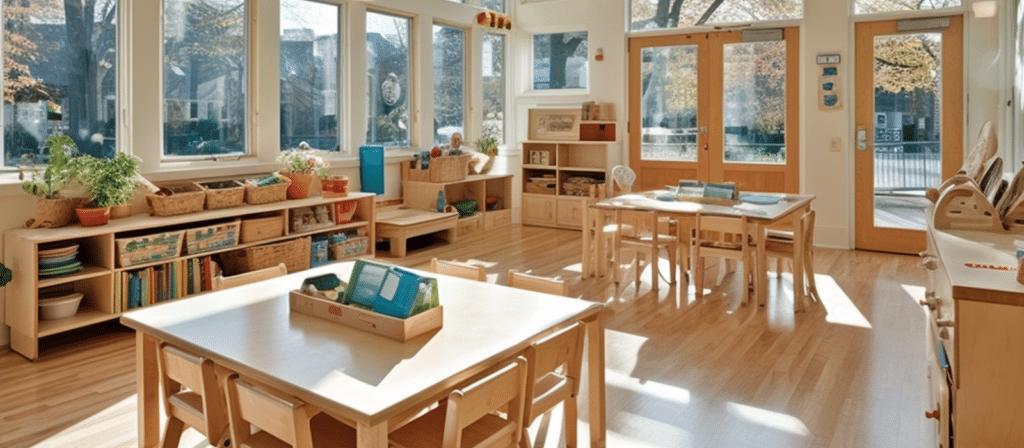
How does flexible seating benefit children with special needs?
Children with special needs can particularly benefit from flexible seating in preschool settings. For example, children with sensory processing disorders may find traditional chairs uncomfortable or distracting. By providing alternative seating options like sensory cushions or rocking chairs, we can create a more sensory-friendly environment that promotes their engagement and reduces sensory overload.
Children with attention deficit hyperactivity disorder (ADHD) can also benefit from flexible seating. The ability to move and fidget in a controlled manner can help these children channel their excess energy and improve their focus.
How can teachers effectively implement flexible seating?
To effectively implement flexible seating in preschool classrooms, teachers should consider the following strategies:
- Clear Expectations: Establish clear guidelines and expectations for behavior and seating choices. Teach children how to choose appropriate seats for different activities and encourage them to respect the rules and boundaries set for the classroom.
- Gradual Introduction: Introduce flexible seating gradually, allowing children to become familiar with the different options over time. Start with a few alternative seating choices and gradually expand the variety as children become more comfortable and responsible.
- Regular Communication: Maintain open lines of communication with parents and caregivers to ensure a consistent approach to seating choices both at school and at home. Share the benefits of flexible seating and encourage families to support their children’s preferences and needs outside of the classroom.
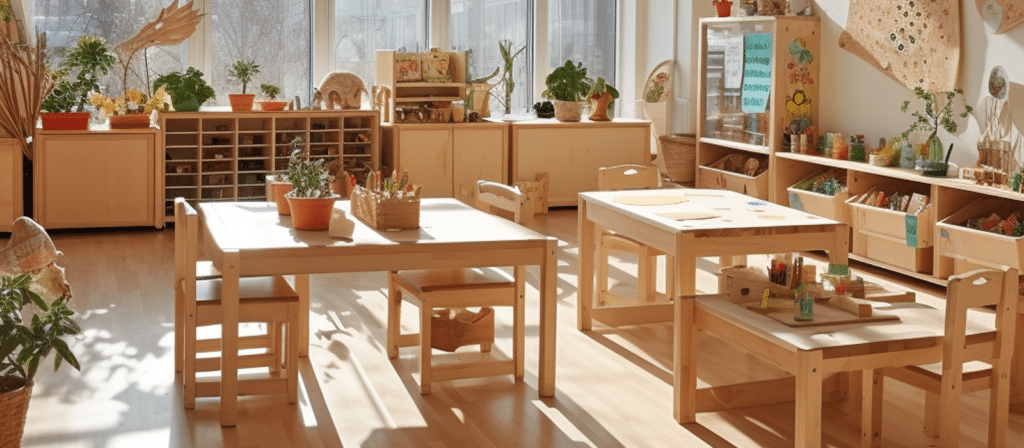
- Flexible Classroom Layout: Arrange the classroom in a way that allows for easy movement and group collaboration. Create designated areas for different activities, such as reading corners, group work spaces, and quiet zones, ensuring that there is a variety of seating options available in each area.
Conclusion
In conclusion, flexible seating in preschool classrooms offers a multitude of benefits for young learners. From improved focus and engagement to enhanced collaboration and creativity, the advantages of flexible seating are numerous. By creating a dynamic and inclusive learning environment that caters to individual needs, we can empower preschoolers to thrive academically and socially. So, let’s embrace the power of flexible seating and revolutionize early education for the next generation of learners!

Hey, I’m Roger, the founder of Xiha Montessori, a family-run business. We specialize in preschool furniture and educational solutions.
Over the past 20 years, we have helped clients in 55 countries and 2000+ preschools, daycares, and early childcare centers create safe and inspiring learning environments.
This article shares knowledge on making education more effective and enjoyable for children.
Wooden Preschool Furniture Care Guide For Busy Classrooms
Read More »
How to Childproof a Daycare Classroom: A Practical Safety Checklist
Read More »
Daycare Cribs Buying Guide: How to Choose Safe, Practical Sleep Furniture
Read More »
Object Permanence: What Babies Learn and How Montessori Activities Support It
Read More »
Effective Preschool Classroom Rules: How to Create a Safe and Orderly Learning Environment
Read More »
How to Start a Daycare: A Practical Planning Guide
Read More » Roger Cai
Education Specialists
Hey, I’m the author of this post.
Over the past 20 years, we have helped 55 countries and 2000+ Clients, like Preschools, Daycare, and Early Childcare Centres, to create safe and inspiring learning environments.
If you need a purchase or consultation, please contact us for a free product catalog and classroom layout design.