
What is the Montessori theory about child-sized furniture?
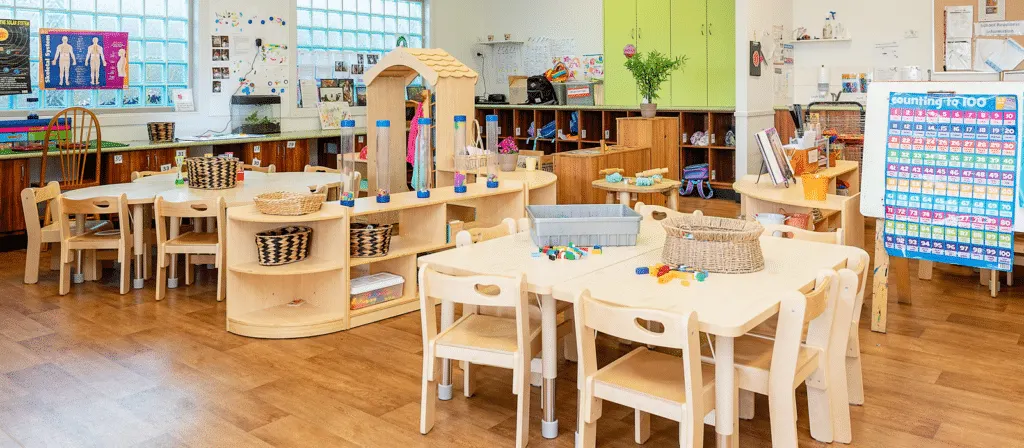
Have you ever wondered why Montessori classrooms are filled with child-sized furniture? What is the rationale behind this approach? In this blog post, I will explore the Montessori theory about child-sized furniture and its impact on a child’s development.
Montessori education, developed by Dr. Maria Montessori in the early 20th century, emphasizes the importance of creating an environment that supports the natural development of children. One key aspect of this approach is the use of child-sized furniture. But why is it so essential?
Montessori Education: A Brief Overview
Before we delve into the specifics of child-sized furniture, let’s first understand the Montessori education philosophy. Developed by Dr. Maria Montessori, an Italian physician and educator, the Montessori approach emphasizes independence, freedom within limits, and respect for a child’s natural development.
In a Montessori classroom, children are given the freedom to explore, learn, and grow at their own pace. The environment is carefully prepared to meet their developmental needs, and child-sized furniture plays a crucial role in supporting this process.
The Importance of Child-Sized Furniture
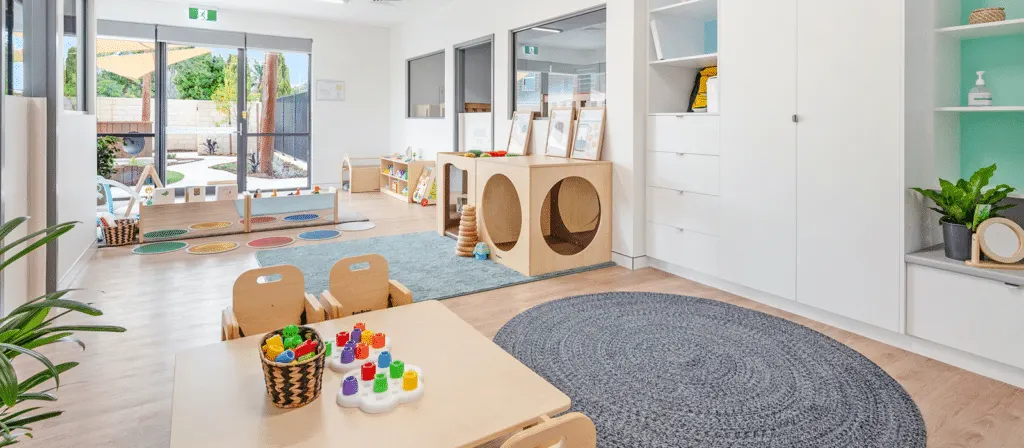
Child-sized furniture is an integral part of the Montessori method as it promotes independence, concentration, and a sense of ownership in young children. Here are some reasons why child-sized furniture is so essential in a Montessori classroom:
- Independence:
Child-sized furniture allows children to independently access materials and engage in various activities without constantly seeking assistance from adults. From low tables and chairs to shelves at their eye level, every element is designed to foster self-reliance and autonomy. - Comfort and Safety:
Child-sized furniture ensures that children can sit, stand, and move around comfortably without the risk of injury. It is ergonomically designed to fit their small bodies, reducing the likelihood of accidents and promoting a sense of security within the environment. - Concentration:
When children are provided with furniture that is tailored to their size, they can fully engage in their activities without the distraction of discomfort or physical strain. This enables them to concentrate for more extended periods, leading to deeper learning experiences. - Sense of Ownership:
Child-sized furniture gives children a sense of ownership over their space. When they can easily access and manipulate their environment, it fosters a feeling of control and responsibility. This, in turn, promotes a positive attitude towards learning and encourages them to take ownership of their educational journey. - Order and Organization:
Child-sized furniture helps create an orderly and organized environment. With everything within reach and in its designated place, children develop a sense of order and learn to take care of their surroundings. This promotes a sense of responsibility and teaches them essential life skills.
The Role of the Adult
In a Montessori classroom, the role of the adult is to observe, guide, and facilitate the child’s learning journey. With child-sized furniture in place, adults can interact with children at eye level, establishing a respectful and supportive relationship. This enables them to provide individualized guidance and support, fostering the child’s independence and growth.
Implementation of Child-Sized Furniture at Home
The benefits of child-sized furniture are not limited to the classroom alone. Implementing Montessori principles at home can have a significant impact on your child’s development. Here are some tips for incorporating child-sized furniture in your home environment:
- Create a Child-Centered Space:
Designate an area in your home that is solely dedicated to your child’s activities. Place child-sized furniture, such as a table and chairs, shelves, and a cozy reading nook, in this space. This will create a sense of ownership and encourage independence. - Consider Safety:
Ensure that all furniture is child-friendly and free of any sharp edges or potential hazards. Opt for materials that are durable, easy to clean, and non-toxic. Safety should always be a top priority. - Assess your child’s needs:
Consider the age, height, and specific requirements of your child. This will help you determine the type of furniture that would be most suitable for them. - Consider multi-functional furniture:
To maximize space and functionality, opt for furniture that can serve multiple purposes. For example, a table with built-in storage or a bed with drawers underneath can help keep the room organized.
In conclusion,Child-sized furniture lies at the heart of the Montessori theory, empowering children, nurturing independence, and supporting their holistic development. By embracing furniture that is proportionate to their size, we create an environment that encourages exploration, concentration, and self-reliance.
Embrace the principles of the Montessori philosophy and witness the transformative power of child-sized furniture in creating a learning environment that celebrates the uniqueness and potential of every child. Together, let’s pave the way for a lifetime of meaningful learning experiences.

Hey, I’m Roger, the founder of Xiha Montessori, a family-run business. We specialize in preschool furniture and educational solutions.
Over the past 20 years, we have helped clients in 55 countries and 2000+ preschools, daycares, and early childcare centers create safe and inspiring learning environments.
This article shares knowledge on making education more effective and enjoyable for children.
Wooden Preschool Furniture Care Guide For Busy Classrooms
Read More »
How to Childproof a Daycare Classroom: A Practical Safety Checklist
Read More »
Daycare Cribs Buying Guide: How to Choose Safe, Practical Sleep Furniture
Read More »
Object Permanence: What Babies Learn and How Montessori Activities Support It
Read More »
Effective Preschool Classroom Rules: How to Create a Safe and Orderly Learning Environment
Read More »
How to Start a Daycare: A Practical Planning Guide
Read More » Roger Cai
Education Specialists
Hey, I’m the author of this post.
Over the past 20 years, we have helped 55 countries and 2000+ Clients, like Preschools, Daycare, and Early Childcare Centres, to create safe and inspiring learning environments.
If you need a purchase or consultation, please contact us for a free product catalog and classroom layout design.